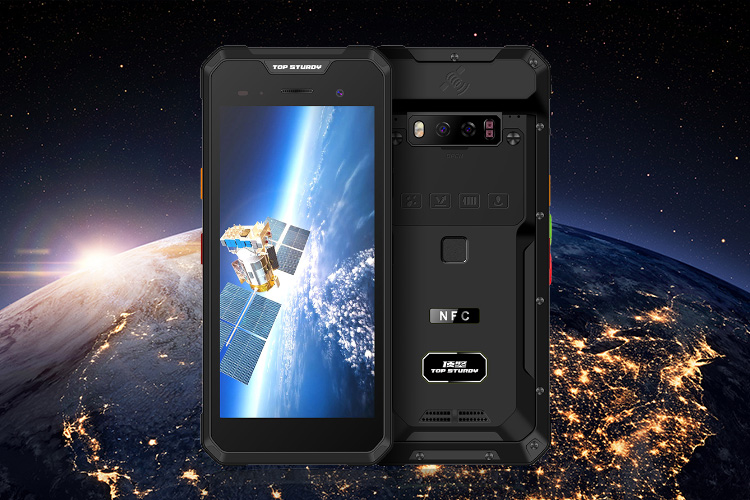
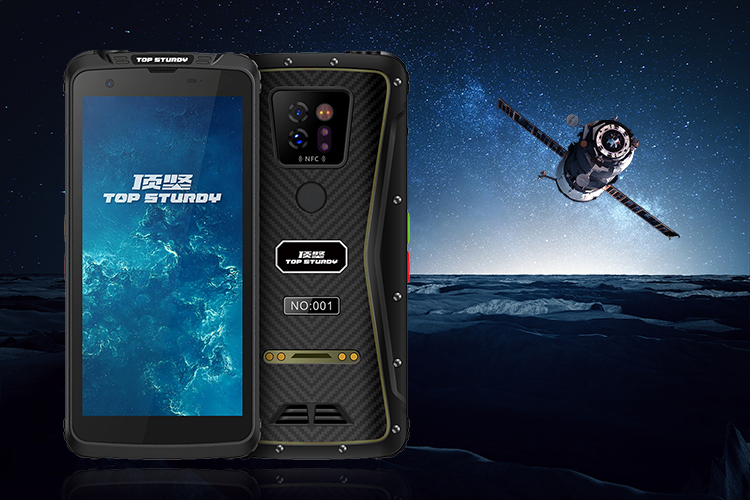
The explosion-proof mark format of explosion-proof mobile phones is composed of explosion-proof mark (Ex) + explosion-proof structural form (d/p/i, etc.) + explosion-proof equipment category (I, II) + gas group (A/B/C) + temperature group (T1~T6). The following Dingjian explosion-proof mobile phone will explain to you all the meanings contained in the explosion-proof signs.
01Explosion-proof signs
Ex represents the explosion-proof mark of China and the International Electrotechnical Commission, and I represents coal mine and underground electrical equipment.; Ⅱ represents electrical equipment other than coal mine and underground electrical equipment.
02Explosion-proof structural form
Explosion-proof structural forms are divided into the following categories.
Explosionproof type: The explosion-proof measure of the explosion-proof type is to isolate the existing ignition source, code-named "d", the national standard is GB3836.2, and the applicable areas are Zone 1 and Zone 2.
Increased safety type: Increased safety explosion measures try to prevent the generation of ignition sources, code-named "e", the national standard is GB3836.3, and the applicable areas are Zone 1 and Zone 2.
Intrinsically safe: Intrinsically safe explosion measures are to limit the energy of the ignition source. The codes are divided into "ia" and "ib". The national standard for ia is GB3836.4, and the applicable areas are Zone 0, Zone 1 and Zone 2. The national standard for ib is GB3836.5, and the applicable areas are Zone 1 and Zone 2.
Positive pressure type: Positive pressure explosion measures are to separate hazardous substances from ignition sources, code-named "p", the national standard is GB3836.5, and the applicable areas are Zone 1 and Zone 2.
Oil filled type: Oil-filled explosion-proof measures are to separate dangerous substances from ignition sources, code-named "o", the national standard is GB3836.6, and the applicable areas are Zone 1 and Zone 2.
Sand filled type: Sand-filled explosion-proof measures are to separate dangerous substances from ignition sources, code-named "q", the national standard is GB3836.7, and the applicable areas are Zone 1 and Zone 2.
Non-sparking type: Non-spark type explosion-proof measures try to prevent the generation of ignition sources, code-named "n", the national standard is GB3836.8, and the applicable area is Zone 2.
Pouring type: The sealing type explosion-proof measures try to prevent the generation of ignition sources, code-named "m", the national standard is GB3836.9, and the applicable areas are Zone 1 and Zone 2.
Air tight type: Air-tight explosion-proof measures try to prevent the generation of ignition sources, code-named "h", the national standard is GB3836.9, and the applicable areas are Zone 1 and Zone 2.
03 Explosion-proof equipment categories
Ⅰ represents coal mine and underground electrical equipment; II represents electrical equipment other than coal mine and underground electrical equipment.
04Classification of Explosive and Hazardous Gases
According to possible bow|According to the minimum spark energy of explosion, my country, Europe and most countries and regions in the world classify explosive gases into four hazard levels.
Ⅰgas: The main scene is underground, the representative gas is methane, and the minimum detonation spark energy is 0.280mJ.
ⅡA gas: Dangerous scenes mainly occur outside mines. The representative gas is propane and the minimum detonation spark energy is 0.180mJ.
ⅡB gas: Dangerous scenes mainly occur outside mines. The representative gas is ethylene, and the minimum detonation spark energy is 0.060mJ.
ⅡC gas: Dangerous scenes mainly occur outside mines. The representative gas is hydrogen, and the minimum detonation spark energy is 0.019mJ.
05Gas temperature group division
According to the maximum surface temperature of the equipment, it is divided into T1 to T6
T1: The safe object surface temperature is ≤450°C, and common representative gases are acrylonitrile, hydrogen and other 46 explosive gases
T2: The safe surface temperature of objects is ≤300°C. Common representative gases are 47 explosive gases such as acetylene and ethylene.
T3: The safe surface temperature of objects is ≤200°C. Common representative gases are 36 explosive gases such as gasoline and crotonaldehyde.
T4: The safe object surface temperature is ≤135°C, and common representative gases are acetaldehyde, tetrafluoroethylene and other 6 explosive gases
T5: The safe object surface temperature is ≤100°C, and the common representative gas is carbon disulfide explosive gas.
T6: The safe object surface temperature is ≤85°C, and common representative gases are ethyl nitrate and ethyl nitrite explosive gases
Since its establishment, Dingjian (Shenzhen) Communication Technology Co., Ltd. has always insisted on leading the development of the industry with forward-looking technology, and is committed to providing safe, reliable, sturdy and durable explosion-proof handheld terminals to users around the world. The application fields of TOP STURDY explosion-proof mobile phones produced are for users in petrochemical industry, coal mining, rail transit, emergency rescue, air transportation, construction, public security, mobile law enforcement, electric power and water conservancy, forestry and fishery, etc., providing various communication products, customized technical services and overall smart communication solutions required by them.
PREV:No More