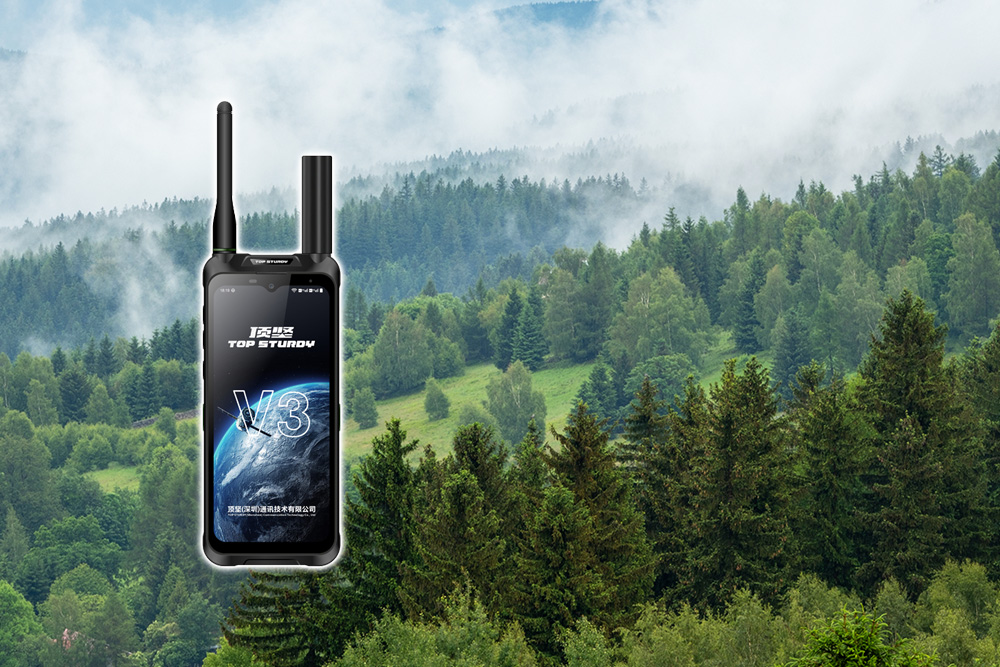
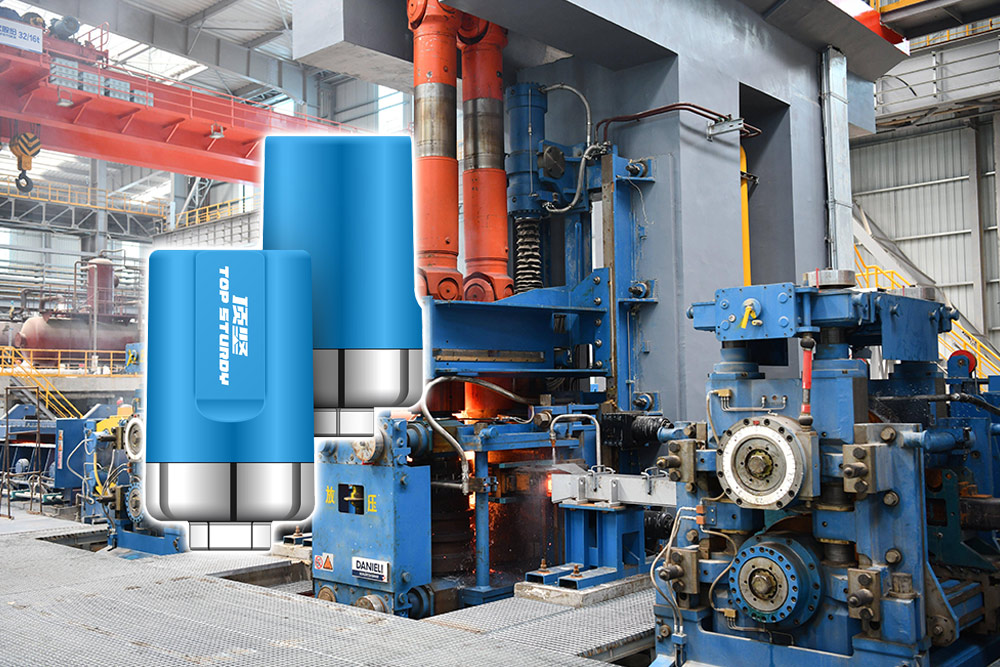
Dingjian intrinsically safe explosion-proof handheld terminal achieves dual guarantees of communication and safety in high-risk scenarios such as petrochemical industry and mining through the three core technologies of intrinsically safe design + multi-modal communication + intelligent sensing. The specific performance is as follows:
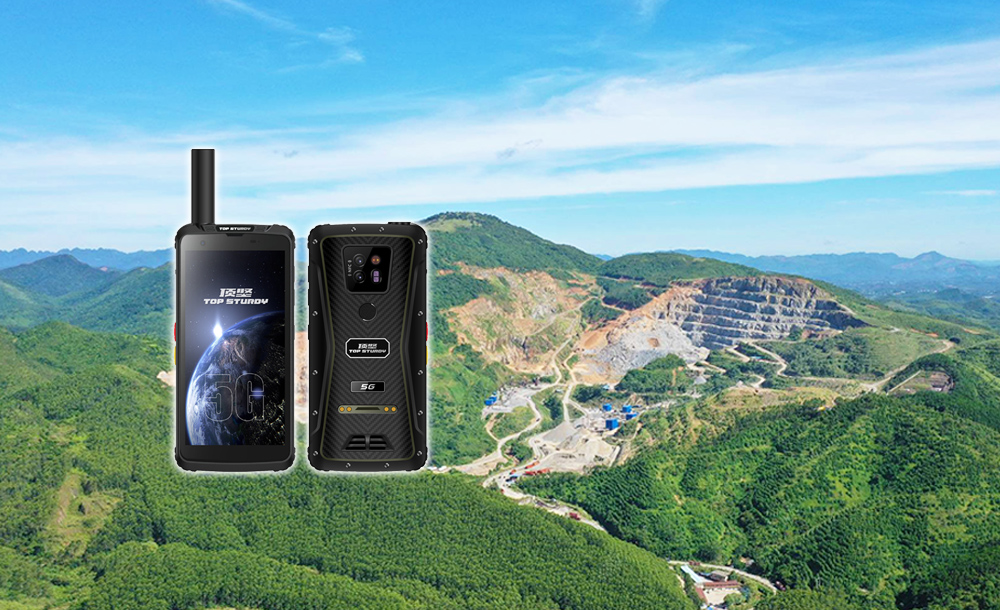
intrinsically safe design: Eliminate the risk of explosion from the source
Explosion-proof certification and circuit design: The use of low-voltage/low-current circuits (such as Ex ib IIC T4 Gb certification) ensures that the spark energy generated by the equipment under normal and fault conditions is lower than the minimum ignition energy of explosive gases (such as hydrogen, acetylene) or dust. It complies with international standards such as ATEX Zone 1/21 and IECEx Zone 1, and is suitable for Class II Class C gas environments.
Material and structural protection: The shell is made of high-strength aluminum alloy + anti-static coating, and its impact resistance reaches IK10 standard (can withstand 10J energy impact) ; The IP68 protection level supports 1.8-meter drop resistance, withstands extreme temperatures from -40°C to 80°C, and is suitable for harsh environments such as chemical plants, oil and gas fields, and mines.
battery safety: Built-in double protection circuit supports automatic cut-off of overcharge, over-discharge, short circuit and thermal runaway. It works with temperature and pressure sensors to monitor environmental parameters in real time, and automatically alarms and shuts down the device when abnormal.
multimodal communication: Real-time data exchange and emergency command
Full band communication: It supports 5G/4G full network, Wi-Fi 6, Bluetooth 5.3 and Beidou + GPS dual-mode positioning (centimeter-level accuracy). It combines UWB ultra-wideband technology to realize centimeter-level trajectory tracking of personnel/equipment in closed spaces such as underground tunnels and pipe corridors, and shortens accident response time by 70%.
Emergency communication guarantee: In areas without public network coverage (such as desert hinterlands and deep-sea platforms), direct instructions can be ensured through Beidou short messages or satellite communications. ; It supports DMR digital intercom to achieve millisecond-level group response, and the 5G private network ensures real-time backhaul of high-definition video (such as 8-channel 4K video synchronization), building a holographic digital twin system.
Data Acquisition and Sharing: Integrates multi-gas sensors (methane, carbon monoxide, hydrogen sulfide) offering ppm-level sensitivity and a response time of less than 3 seconds; automatically records equipment status and pressure parameters via NFC or QR code scanning, with data uploaded to ERP/MES systems in near real-time, resulting in an 85% reduction in human error and a 50% increase in data acquisition efficiency.
Intelligent sensing and safety warning: Risk prediction and closed-loop management
Environmental monitoring and early warning: Collect parameters such as temperature, humidity, and harmful gas concentration in real time. When limits are exceeded, audible and visual alarms are automatically triggered and emergency communication protocols are started (such as automatically closing valves or starting ventilation systems). ; The laser methane sensor can quickly scan the leakage points of the pipe network and generate heat maps to assist decision-making.
Personnel positioning and trajectory tracking: Combined with UWB technology, it can realize centimeter-level positioning of underground personnel. The electronic fence function can monitor illegal entry into high-risk areas in real time. The trajectory can be traced to an accuracy of 30 centimeters, reducing the risk of accidents.
AI edge computing and decision-making: Equipped with an AI chip, it supports local analysis of sensor data, predicts mechanical failures (such as warning of abnormal equipment vibration 48 hours in advance), and links emergency plans. ; The integrated thermal imaging camera monitors fire sources and the location of trapped personnel, supports multi-department collaborative operations, and increases emergency command efficiency by three times.
Application scenarios and industry value
Petrochemical industry: It is used for refinery equipment inspection, storage tank area leakage monitoring, and pipeline leakage detection. Through real-time data exchange, it reduces the frequency of personnel entering dangerous areas, improves inspection efficiency by 50%, and shortens equipment failure response time to within 10 minutes.
Mining: In coal mines with gas outbursts or metal mines with dust explosion risks, underground personnel positioning, ventilation monitoring, and emergency communications can be realized. UWB technology can be combined to achieve centimeter-level positioning, and the risk of accidents can be greatly reduced.
Hazardous chemicals transportation and fire rescue: Real-time monitoring of vehicle location and cargo status (such as temperature, pressure), early warning of abnormal situations and triggering emergency response ; At the scene of fire and explosion accidents, it supports fire scene reconnaissance, vital signs monitoring, command and dispatch, and ensures the safety of rescuers.
Dingjian's intrinsically safe explosion-proof handheld terminal has achieved the leap from "passive explosion protection" to "active intelligence" through its three core capabilities of intrinsically safe design, multi-modal communication, and intelligent sensing. It not only ensures communication security in high-risk environments, but also improves production efficiency and safety levels through real-time data collection, risk warning, and closed-loop management, becoming a key tool for the digital transformation of industries such as petrochemicals and mining.