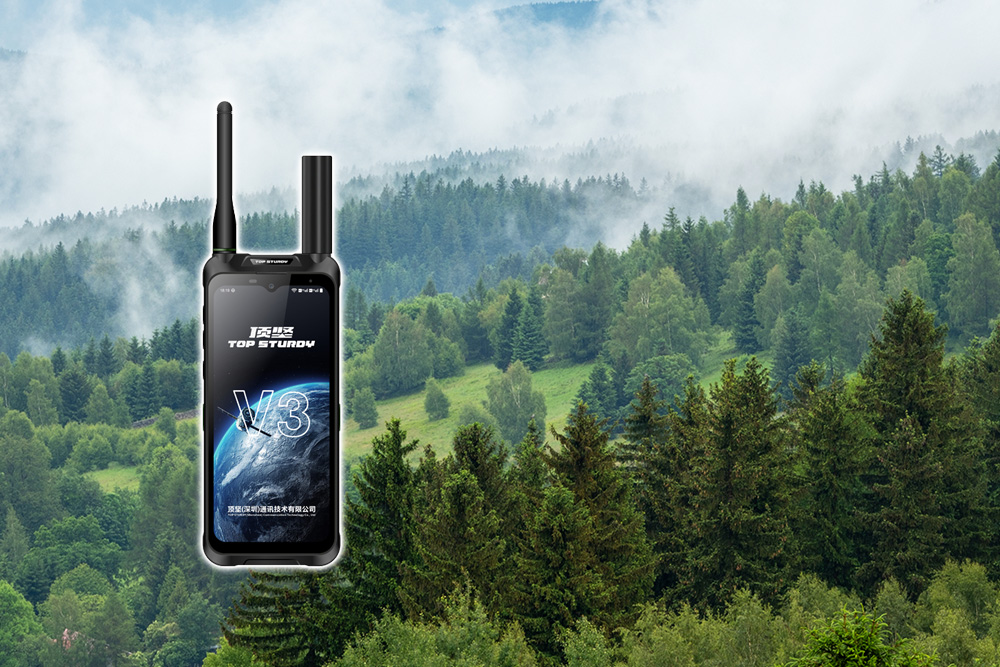
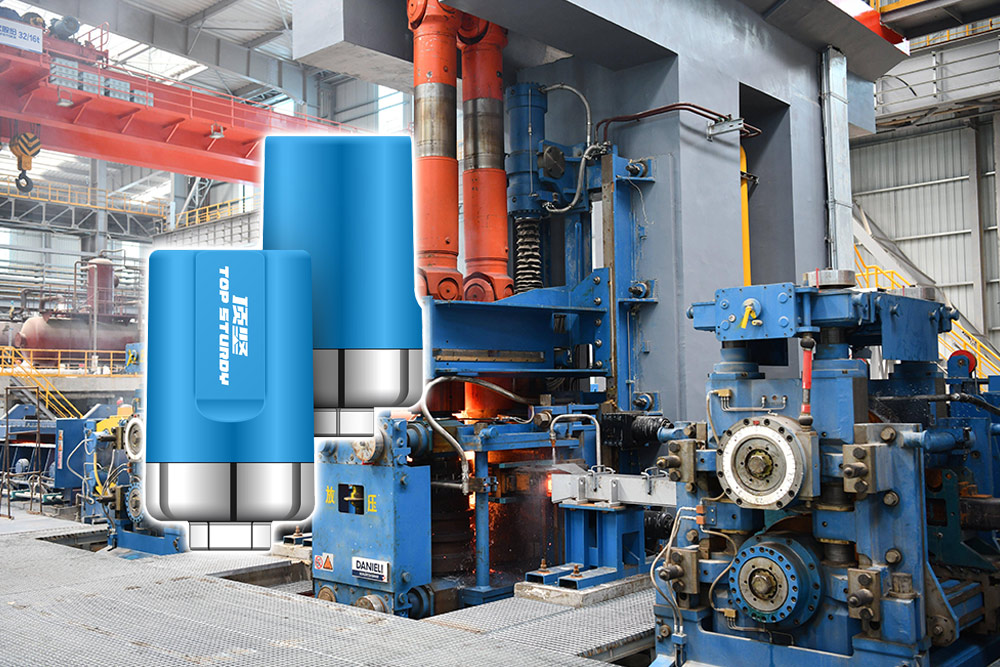
In the era of Industry 4.0, Dingjian explosion-proof handheld terminals are deeply integrated into the entire production process of the refinery through intrinsically safe design, multi-modal communication integration, intelligent IoT technology, high-precision positioning and trajectory tracking, environmental safety monitoring and early warning, emergency command and rescue support, and full-process digital management, promoting its transformation from "passive safety" to "active intelligence". The specific performance is as follows:
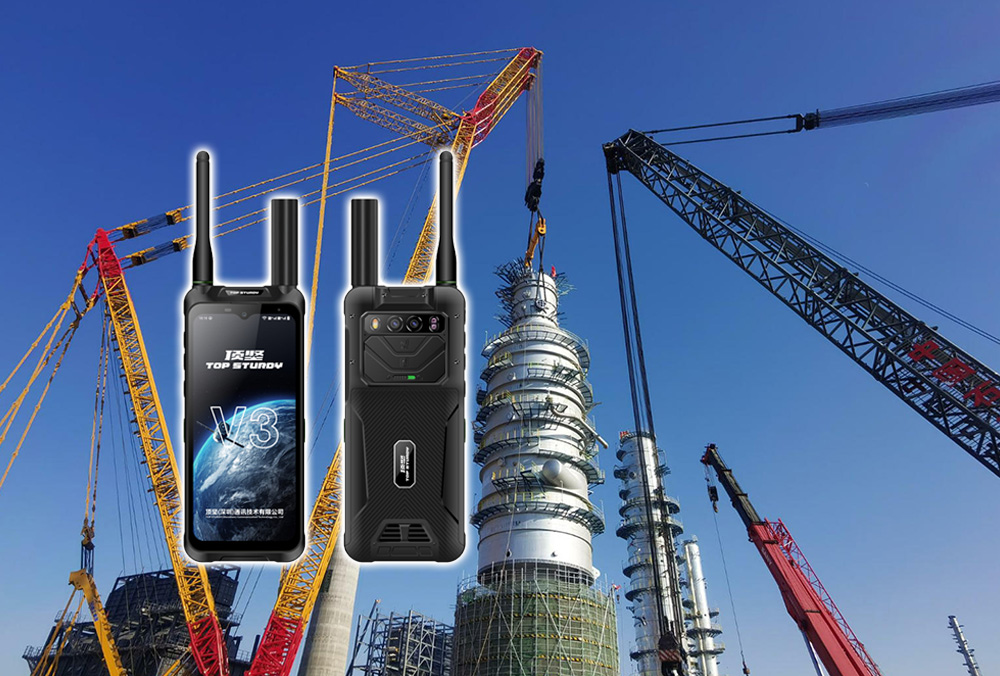
1. Intrinsically safe design: Breaking through the limitations of high-risk scenarios
The Dingjian explosion-proof handheld terminal uses low-voltage/low-current circuits, explosion-proof lithium batteries and triple redundant cooling systems to control the surface temperature of the equipment below 85°C. It has passed international explosion-proof certifications such as Ex ib IIC T4 Gb, ATEX, IECEx, etc. It can withstand 100% methane gas environment and avoid the ignition of explosive mixtures by sparks or thermal effects. This design does not need to rely on bulky explosion-proof shells, allowing the equipment to be deployed lightweight in high-risk scenarios such as tank areas, pipe corridors, and underground mines, eliminating safety hazards from the source and providing a safe foundation for intelligent upgrades.
2. Multi-modal communication integration: Build a global real-time data network
Seamless switching between ground and satellite: Supports 5G/4G, Wi-Fi 6, Bluetooth 5.3 and satellite communications, and automatically switches to the cellular network when the ground network is normal to reduce communication costs. ; When the ground base station is damaged, it will automatically switch to satellite mode within 30 seconds to ensure the continuity of voice, SMS, and data transmission.
Anti-interference and stability: Digital signal processing (DSP) and frequency hopping technology are used to effectively resist electromagnetic interference, signal attenuation and other problems, ensuring stable communication in areas with complex electromagnetic environments such as oil fields and refining units.
3. Intelligent Internet of Things and Edge Computing: Realize risk prediction and decision optimization
High-precision sensor integration: Built-in laser methane sensor, temperature and humidity sensor, and vibration monitoring module can collect equipment temperature, pressure, gas concentration and other parameters in real time, and achieve fault prediction through AI algorithms. In a certain petrochemical catalytic cracking unit, the terminal analyzes the reactor temperature curve in real time. When the temperature deviates from the standard value ±2°C, an early warning is immediately triggered and a maintenance work order is generated, reducing unplanned downtime by 60%.
Edge computing and local decision-making: Supports real-time processing of data on the device side, reducing cloud transmission delays. For example, during pipeline inspection, the terminal automatically associates pipeline files with historical inspection records through NFC/QR code scanning, combines AI algorithms to analyze corrosion trends, and warns of potential leakage risks 14 days in advance.
4. High-precision positioning and trajectory tracking: Improve personnel and equipment management efficiency
Centimeter level positioning technology: Combining UWB ultra-wideband positioning and Beidou/GPS dual-mode positioning, centimeter-level positioning of personnel and equipment can be achieved in closed spaces (such as underground mines and pipe corridors), and the trajectory can be traced to an accuracy of 30 centimeters. After a petrochemical company applied it, illegal entry incidents in the storage tank area were reduced by 80%, and safety accidents caused by inspection personnel's misoperation were reduced to zero.
Electronic fence function: The boundaries of high-risk areas can be delineated. When people or equipment enter in violation of regulations, local sound and light alarms are immediately triggered and pushed to the command center to avoid secondary accidents.
5. Environmental safety monitoring and early warning: Build a closed-loop security system
Real-time parameter monitoring: Integrated multi-gas sensors (methane, carbon monoxide, hydrogen sulfide) to collect temperature, humidity, harmful gas concentration and other parameters in real time, automatically trigger audible and visual alarms when exceeding limits and activate emergency communication protocols. In the refining unit area, when the gas concentration exceeds 10 ppm, the valve will be automatically closed or the ventilation system will be activated.
Leak detection and heat map generation: The laser methane sensor is used to quickly scan the leakage points of the pipeline network and generate a heat map to visually display the leakage range, providing key data support for emergency decision-making.
6. Emergency command and rescue support: Shorten response time and reduce losses
HD video and cluster scheduling: It supports 5G private network to ensure real-time backhaul of high-definition video, and supports 8-channel 4K video simultaneous backhaul to build a holographic digital twin system. The command center can view the status of on-site equipment in real time, improving emergency command efficiency by more than 40%.
Multi-department collaborative operations: Integrated thermal imaging camera and gas sensor to monitor fire sources and trapped persons’ locations in real time ; When a flammable gas leak alarm is triggered, the encrypted voice channel is automatically switched, and the commander can remotely guide on-site personnel to put on positive pressure respirators and evacuate through video.
7. Full-process digital management: Improve operational efficiency and compliance
Digital inspection and maintenance: Equipment positioning is achieved through NFC/QR code scanning, valve status and pressure parameters are automatically recorded, and the data is uploaded to the ERP/MES system in seconds, reducing the manual error rate by 85%. ; Scan the device QR code to obtain historical maintenance records, upload maintenance results, generate maintenance work orders, and improve operation and maintenance efficiency.
Compliance management: Automatically record inspection time, location, and data to meet the safety supervision department's requirements for "double prevention" (risk classification management and control, hidden danger investigation and management), build a digital operation process, and achieve traceability of safety compliance.
Dingjian focuses on the R&D, production and sales of three-proof communication products such as single Beidou handheld terminals, Beidou short message terminals, RTK high-precision positioning terminals, single Beidou explosion-proof intercom terminals, explosion-proof mobile phones, anti-confidential mobile phones, 5G single Beidou law enforcement recorders, satellite communication phones, etc. It supports customized Hongmeng systems, secondary development, and provides one-stop communication equipment application solutions.